Knitting has evolved far beyond basic winter utility into an expressive form of wearable art, architectural silhouette design, and modern luxury. Contemporary knitwear marries rich textures, minimalist palettes, structural brims, and premium natural fibers like baby alpaca, mulberry silk, fine merino, and fluffy mohair.
Whether you are crafting your next statement winter accessory, building a curated handmade capsule wardrobe, or searching for cozy aesthetic inspiration to pin to your style boards, this guide walks through 20 modern, elegant knitted hat concepts. Each profile includes a design breakdown, making overview, styling variations, and practical crafting tips.
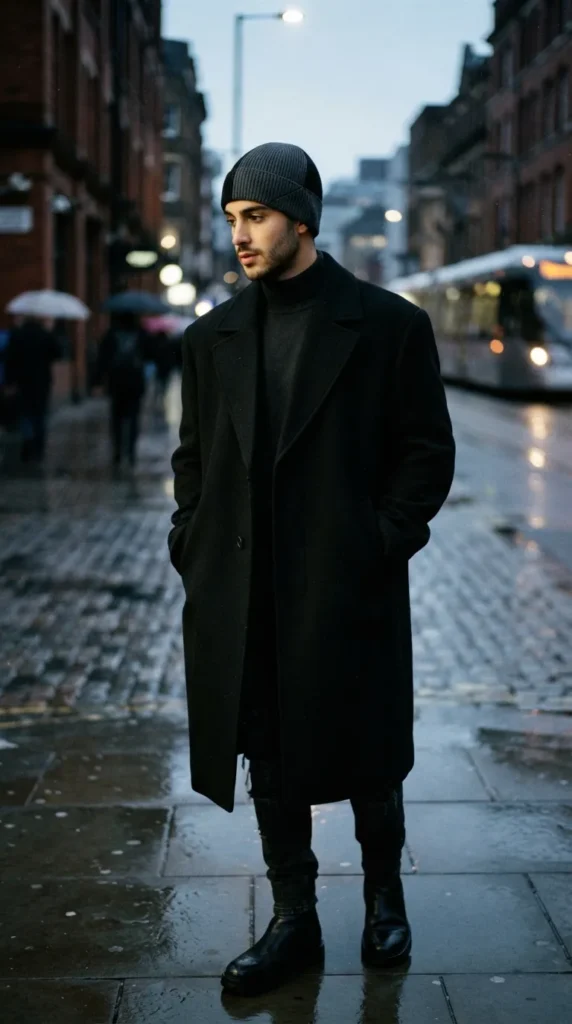
1. The Sculptural Chunky Ribbed Fisherman Beanie
The Sculptural Chunky Ribbed Fisherman Beanie redefines minimal urban style. Featuring a crisp $1 \times 1$ or $2 \times 2$ deep rib structure, an extra-deep double-folded brim, and a snug architectural crown, this hat emphasizes clean lines and geometric volume.
- What This Idea Means: A minimalist design classic updated through ultra-plump roving yarns or high-twist worsted wool. It sits fitted around the temples with substantial depth at the brim, framing cheekbones and offering structured warmth.
- How to Make It: Cast on in the round using 5.0 mm or 6.0 mm circular needles. Work in continuous $1 \times 1$ half-twisted rib ($K1tbl, P1$) for at least 11–13 inches to accommodate a dramatic 4-inch double fold. Decrease seamlessly at four quadrant points using paired left- and right-leaning decreases ($SSK$ and $K2tog$) until few stitches remain, then cinch tightly.
- Tips & Variations:
- Knit in undyed ecru, heather charcoal, or deep olive.
- For a softer drape, use two strands of DK merino held with one strand of lace-weight silk mohair.
- Keep the brim as a single wide fold for a relaxed streetwear edge, or double fold it for crisp structure.
2. The Cloud-Soft Mohair Halo Beret
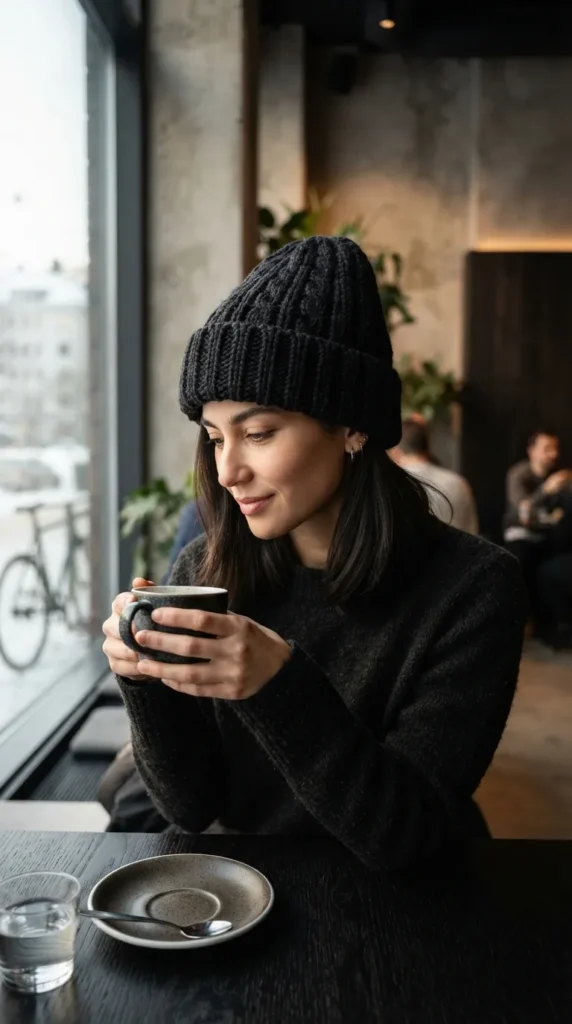
A delicate fusion of French heritage and modern minimalism, the Cloud-Soft Mohair Halo Beret balances a light-as-air fabric with an intentional silhouette.
- What This Idea Means: A reimagining of the classic woolen beret using multiple strands of brushed silk mohair. It produces a soft, luminous texture that catches ambient winter light without feeling stiff or heavy.
- How to Make It: Begin at the brim on 3.5 mm needles with a snug tubular cast-on worked in twisted rib for 1 inch. Transition to 4.5 mm needles, increasing rapidly across one setup round to create an expansive circular plate. Knit flat stockinette in the round until reaching the desired diameter, then work gradual concentric decreases toward the center, finishing with a small knitted i-cord stem.
- Tips & Variations:
- Work with 2 to 3 strands of mohair held together in complementary pastel hues (e.g., pale champagne, dusty rose, ice blue) for gentle heathered dimension.
- Block over a standard dinner plate to set the crisp pancake-style silhouette.
- Wear it tilted gently back on the crown rather than pulled low over the forehead.

3. The Minimalist Brioche Slouch Cloche
Drawing inspiration from 1920s cloche millinery, this modern knit version replaces rigid felt with two-color or single-color syncopated brioche ribs.
- What This Idea Means: A bell-shaped, gently downward-sloping silhouette that hugs the back of the head while framing the jawline softly. The brioche stitch provides double-thick insulation and vertical flow.
- How to Make It: Start from the bottom edge on circular needles, casting on with a stretchy German Twisted cast-on. Work in two-color brioche stitch ($brk$ and $brp$), establishing rhythmic vertical columns. Shape gentle crown decreases slowly over several inches to preserve the elongated bell silhouette without abrupt pinching.
- Tips & Variations:
- Pair contrasting neutrals like slate grey and cream, or rich camel and espresso.
- Introduce subtle brioche cable twists near the brim for added depth.
- Add a thin elastic thread along the final rows of the lower brim edge to maintain long-term recovery.
4. The Cashmere Fold-Over Watch Cap
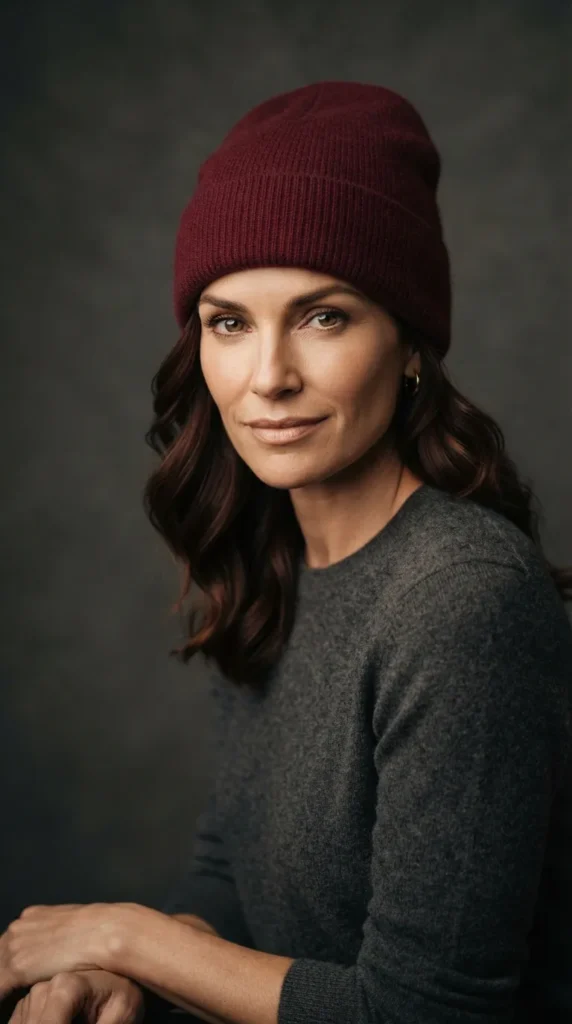
Understated luxury defined by ultra-fine gauge knitting, this hat is designed to feel featherlight while offering superior thermal performance.
- What This Idea Means: A fine-gauge, whisper-soft accessory designed to pair with tailored overcoats, cashmere scarves, and structured blazers. It delivers a polished look free of bulky transitions.
- How to Make It: Cast on using 2.75 mm or 3.0 mm needles with pure 2-ply or 4-ply cashmere yarn. Work approximately 13 inches of classic $2 \times 2$ ribbing. Transition to crown shaping using fully fashioned decreases that run parallel along four equidistant structural ribs, forming a refined four-spoke star across the top.
- Tips & Variations:
- Choose understated tones such as camel, dove grey, jet black, or warm taupe.
- Wet-block gently in a lukewarm wool wash containing lanolin to open the cashmere fibers into a plush bloom.
- Keep the brim folded twice for extra ear insulation on windy days.
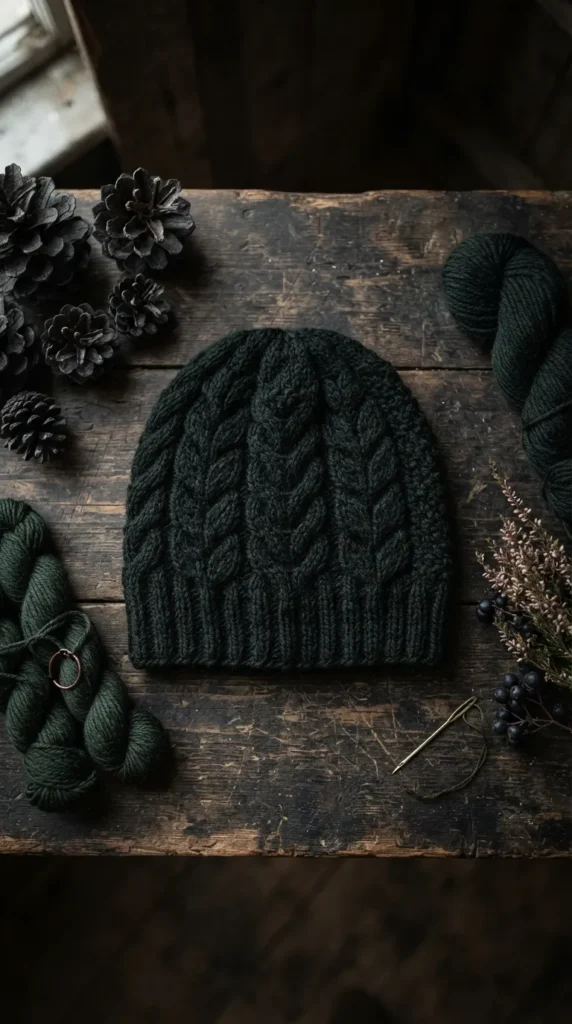
5. The Botanical Cable & Moss Stitch Toque
Intricate nature-inspired cables weave across a dense moss-stitch background, recalling winding vines, pine branches, and winter flora.
- What This Idea Means: A textured hat showcasing artisanal depth. The interplay between twisted traveling cables and pebbled moss stitch creates continuous surface interest and insulation.
- How to Make It: Cast on a firm $1 \times 1$ ribbed brim, then increase across the transition round. Set up cable panels separated by alternating knit-purl moss stitch sections. Use a cable needle to twist traveling stitches across the textured field, integrating cable decreases naturally into the pattern motifs near the crown.
- Tips & Variations:
- Choose crisp, worsted-spun non-superwash wool in forest green, ochre, rich rust, or bark brown.
- Avoid pom-poms to let the crown’s organic convergence remain the focal point.
- Use a cable needle with deep center grooves to maintain uniform tension on high-twist wools.
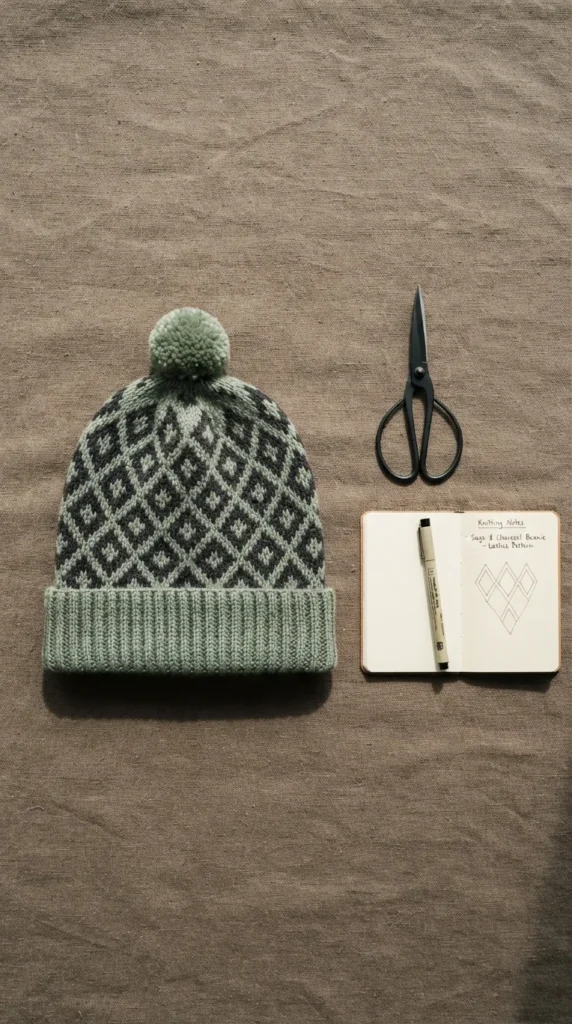
6. The Nordic Nordic-Luxe Stranded Colorwork Beanie
A clean interpretation of heritage Fair Isle and Scandinavian geometric motifs, updated with muted palettes and intentional negative space.
- What This Idea Means: Traditional stranded knitting reimagined with contemporary color stories—such as midnight navy on biscuit cream or slate blue against pearl white—highlighting balance over busy patterning.
- How to Make It: Cast on with a corrugated ribbing brim ($1 \times 1$ alternating colors). Transition to the main body using chart repeats with maximum float lengths of 3 to 5 stitches. Catch floats neatly in the back to prevent catching. Decrease the crown in sync with the geometric chart so the motifs taper cleanly into the center.
- Tips & Variations:
- Maintain even tension across colorwork rounds by turning the work inside out while knitting.
- Select non-superwash fingering wool held doubled, or single sport-weight Shetland wool for authentic grip and bloom.
- Line the interior brim with silk or merino jersey if knitting for sensitive skin.


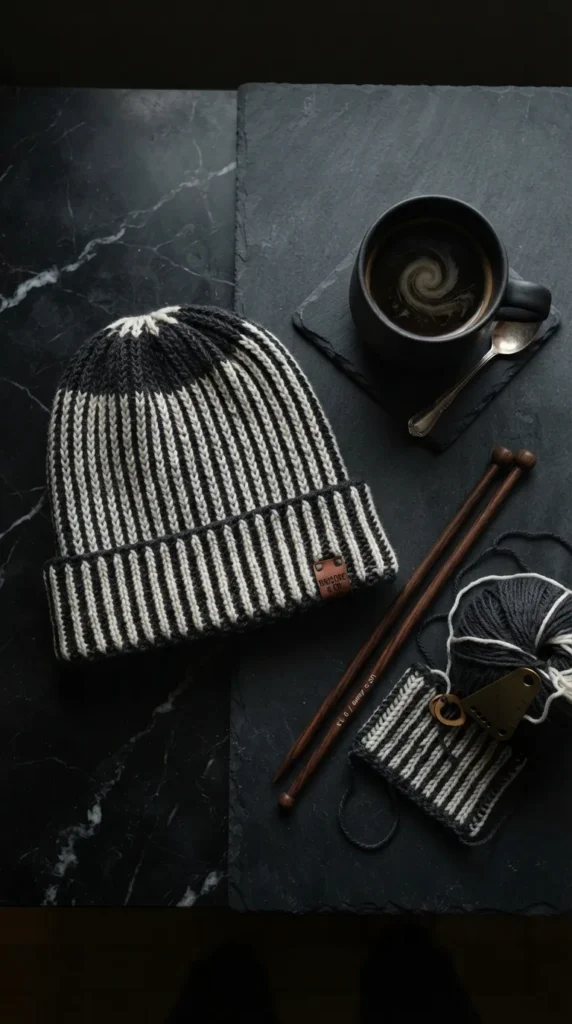
7. The Reversible Double-Knit Seamless Skull Cap
Two distinct colorways and textures knitted simultaneously into one reversible, windproof garment.
- What This Idea Means: A refined hat offering two styling options in one piece. Double knitting produces a completely enclosed double-face fabric with no visible wrong side or loose floats.
- How to Make It: Using a two-color invisible cast-on, work with two contrasting colors simultaneously on 3.25 mm needles. Alternate knit stitches for the front color with purl slips for the back color across every row. Shape the crown with mirror-image decreases worked on both fabric faces concurrently.
- Tips & Variations:
- Pair high-contrast combinations like black and off-white, or subtle pairings like forest green and heather sage.
- Try negative-space geometric patterns where color A mirrors color B on the opposite side.
- Use smooth yarns with high stitch definition, such as round-ply merino or silk-wool blends.
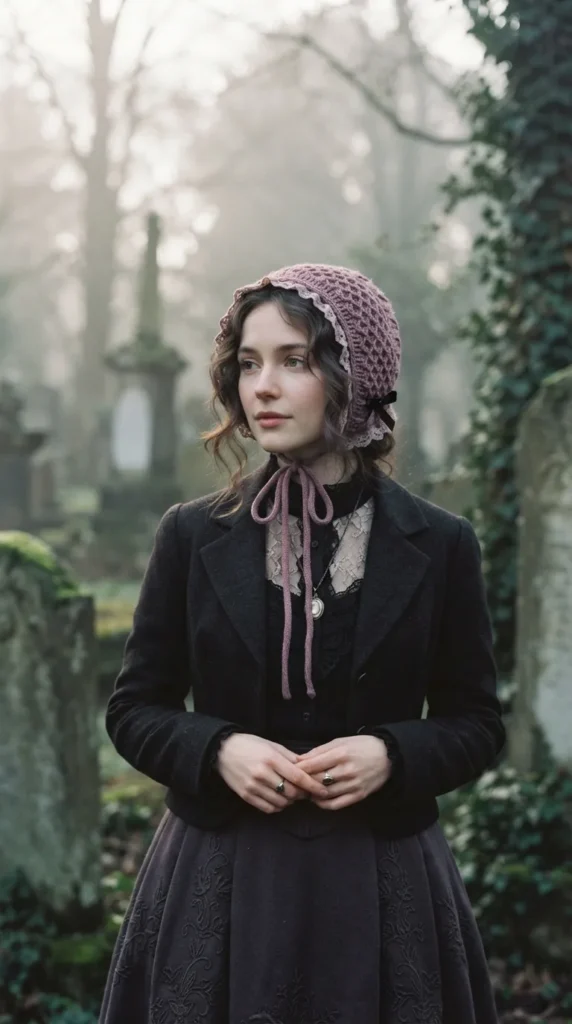
8. The Parisian Honeycomb Brioche Bonnet
A modern take on vintage millinery, this close-fitting bonnet features deep honeycombed texture and delicate neck cords.
- What This Idea Means: An aesthetic accessory that frames the face, keeps ears warm, and ties comfortably beneath the chin or hangs loose across the collarbones.
- How to Make It: Work flat on straight or circular needles in Honeycomb Brioche stitch to produce a pillowy, thermal fabric. Knit a rectangular panel to the required crown depth, then shape the back using short rows or centered decreases. Pick up stitches along the bottom neck edge to work a narrow i-cord edge and extended tie strings.
- Tips & Variations:
- Knit in dusty blush, terracotta, or warm buttercup yellow.
- Add a subtle ruffled picot edge along the front face opening for a romantic vintage finish.
- Use a wool-alpaca blend to lend soft drape and warmth to the bonnet ties.
9. The Seamless Spiral Swirl Slouchy Beanie
An asymmetric, flowing spiral pattern that wraps around the head and tapers into an easy, relaxed drape.
- What This Idea Means: A relaxed, artistic silhouette where twisted stitches or diagonal traveling ribs rotate organically around the hat, creating subtle dynamic movement.
- How to Make It: Work from the brim upward, casting on in the round. Introduce continuous diagonal eyelets, twisted stitch shifts, or left-leaning increases paired with decreases on regular repeats every second round. The resulting spiral climbs seamlessly into the crown shaping.
- Tips & Variations:
- Choose kettle-dyed, tonal, or gradient yarns to enhance the swirling lines.
- Let the crown slouch naturally by adding 2–3 inches of height before decreasing.
- Block on a rounded head form to preserve the continuous spiral geometry.
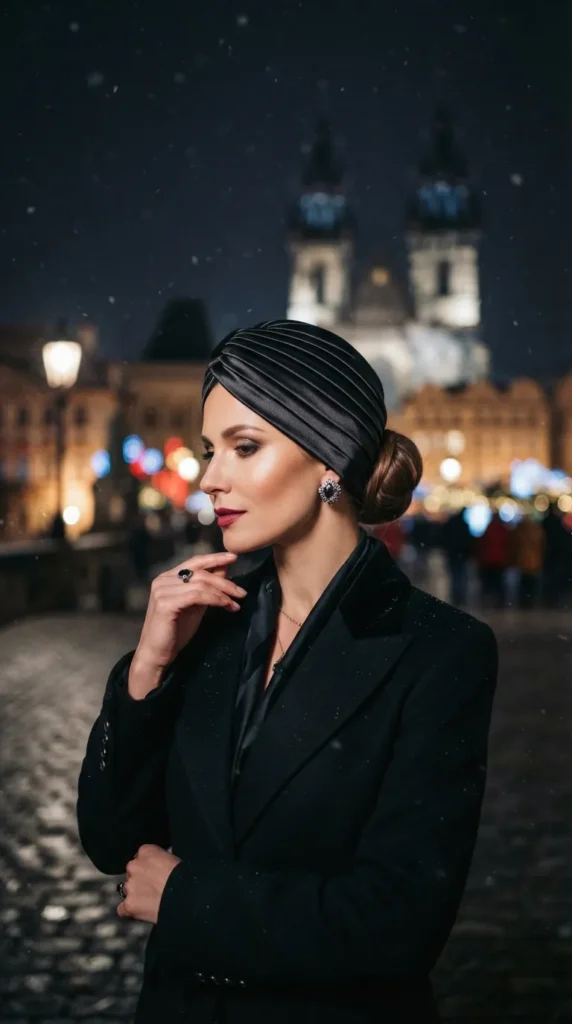
10. The Architectural Pleated Turband Beanie
A sophisticated crossover between a winter beanie and a turban, featuring a gathered front knot and structured pleats.
- What This Idea Means: A distinctive evening-ready winter piece that flatters styled updos and waves, adding tailored sophistication to cold-weather outerwear.
- How to Make It: Knit a straight, textured panel or a wide flat strip using half-brioche or English rib. Twist or interlock the front panels into a structural knot before picking up the top circumference stitches to close the crown in the round, or seam the back with tailored folds.
- Tips & Variations:
- Use luxury fibers with natural sheen, such as mulberry silk blended with fine merino or baby alpaca.
- Accent the center knot with an antique brooch or subtle metallic thread accents.
- Keep the color palette rich and jewel-toned: emerald green, deep burgundy, or sapphire blue.
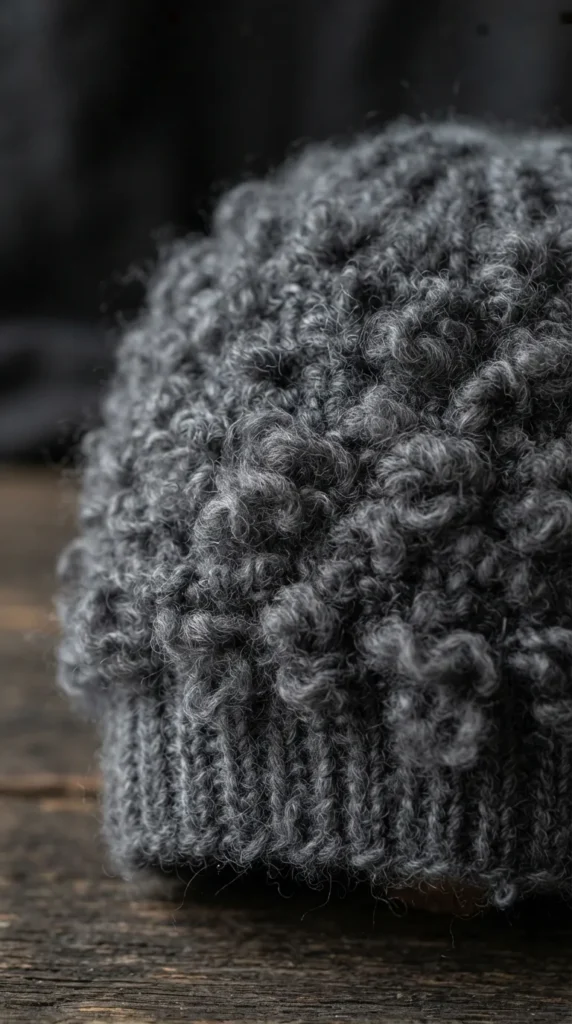
11. The Fluffy Bouclé Bubble Beanie
Celebrating playful modern textures through tactile looped bouclé yarn, this hat focuses on cloudy, lightweight volume.
- What This Idea Means: A cozy, cloud-like aesthetic where the textured surface of looped bouclé yarn creates rich visual warmth without requiring complex stitch patterns.
- How to Make It: Cast on using 6.0 mm or 7.0 mm needles with a fine alpaca or merino bouclé yarn. Work straightforward stockinette stitch in the round, allowing the yarn’s natural loops to build the plush texture. Keep crown decreases clean and rapid over 4–6 rounds to maintain a rounded silhouette.
- Tips & Variations:
- Stick to simple stockinette or garter stitch, as detailed stitch patterns become lost in bouclé loops.
- Work in vanilla cream, pale butter, warm caramel, or soft lavender.
- Pair with an oversized smooth wool scarf for an interesting contrast of textures.
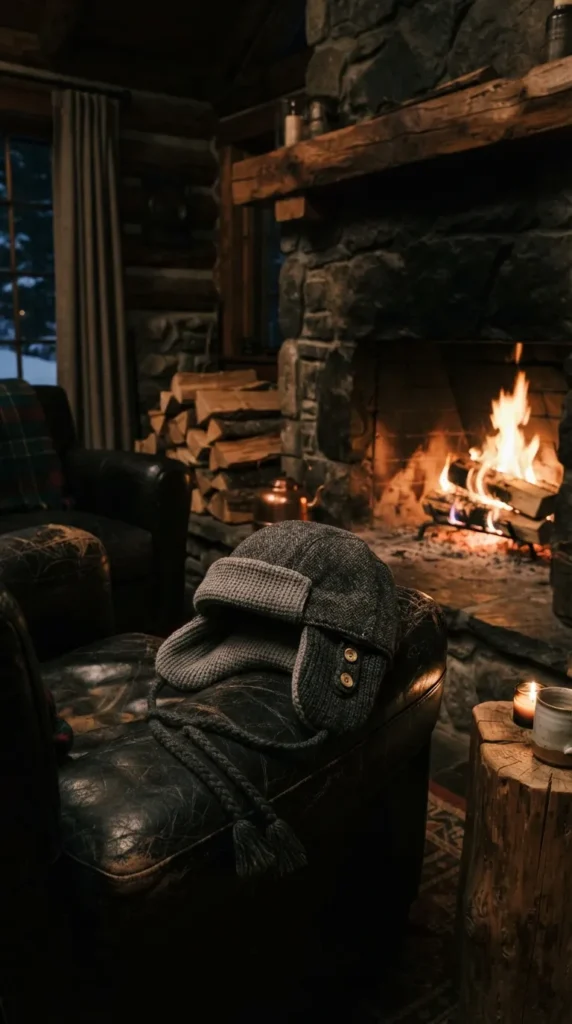
12. The Waffle Thermal Cuffed Trapper
A modern hybrid blending traditional trapper earflap utility with a streamlined waffle-thermal knit pattern.
- What This Idea Means: Cold-weather warmth featuring integrated earflaps, structured waffle grid stitches, and soft, clean edges.
- How to Make It: Begin by knitting two separate earflaps from the bottom up with neat i-cord edges. Cast on back neck stitches, join the earflaps, and cast on front forehead stitches. Work the combined circumference in a 4-row waffle thermal stitch pattern. Shape the crown with four balanced decrease lines.
- Tips & Variations:
- Line the interior earflaps with sheared fleece or brushed alpaca for windy conditions.
- Add braided yarn cords or tailored leather ties to the bottom of each flap.
- Use hearty tweed or Donegal yarn with flecks of complementary color.
13. The Geometric Diamond Lattice Beanie
Refined relief-knitting featuring clean diamond lattice patterns across a smooth background.
- What This Idea Means: A polished, unisex aesthetic featuring interlocking raised knit lines that form crisp diamond shapes over a reverse-stockinette field.
- How to Make It: Cast on with a tubular cast-on into a twisted $1 \times 1$ rib brim. Transition to the diamond lattice chart using 1-over-1 right and left travelling stitches (worked with or without a cable needle). Decrease evenly inside the diamond centers at the crown to preserve the geometric pattern.
- Tips & Variations:
- Use a round, tightly spun 4-ply or 8-ply merino wool to maximize stitch relief and sharpness.
- Choose contemporary muted tones like concrete grey, dusty sage, mustard, or washed denim.
- Insert a subtle micro-seed stitch texture inside the center of each diamond.
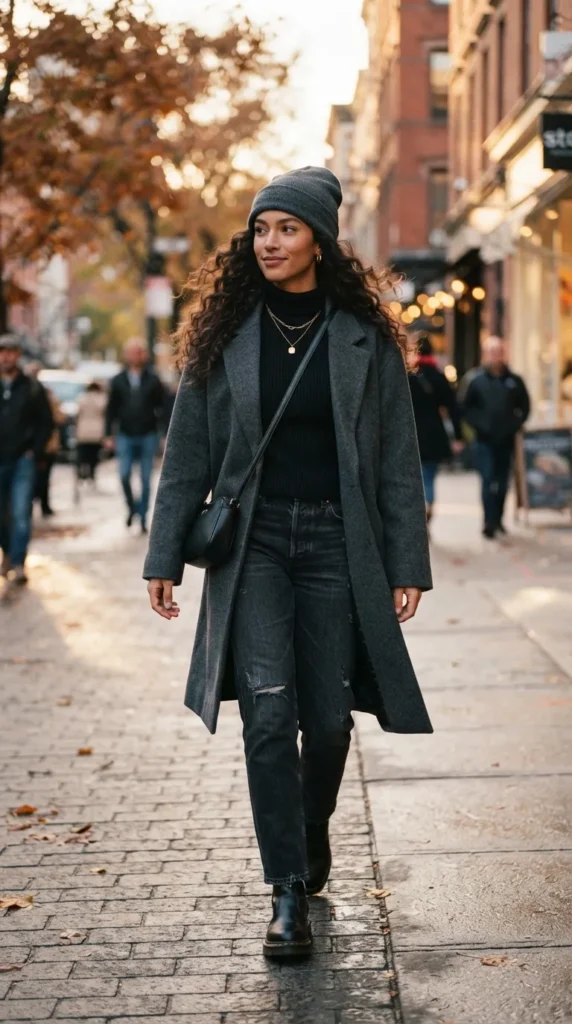
14. The Extended Slouchy French Terry Beanie
An ultra-relaxed, elongated hat that falls into effortless soft folds at the back of the head.
- What This Idea Means: The hallmark of effortless casual style. It provides generous room and drape, making it easy to wear over long hair, curls, or braids.
- How to Make It: Cast on with 3.75 mm circular needles using a lightweight DK or sport-weight bamboo-wool or silk-merino blend. Knit a comfortable $2 \times 2$ brim for 2 inches, then continue in uniform stockinette stitch for 12–14 inches before beginning gradual decreases over the final 2 inches.
- Tips & Variations:
- Select yarns with inherent drape and fluidity, such as alpaca, modal blends, or silk.
- Add thin horizontal micro-stripes for a modern nautical touch.
- Wear it pushed back on the head so the front hairline remains visible while the excess length gathers softly behind.
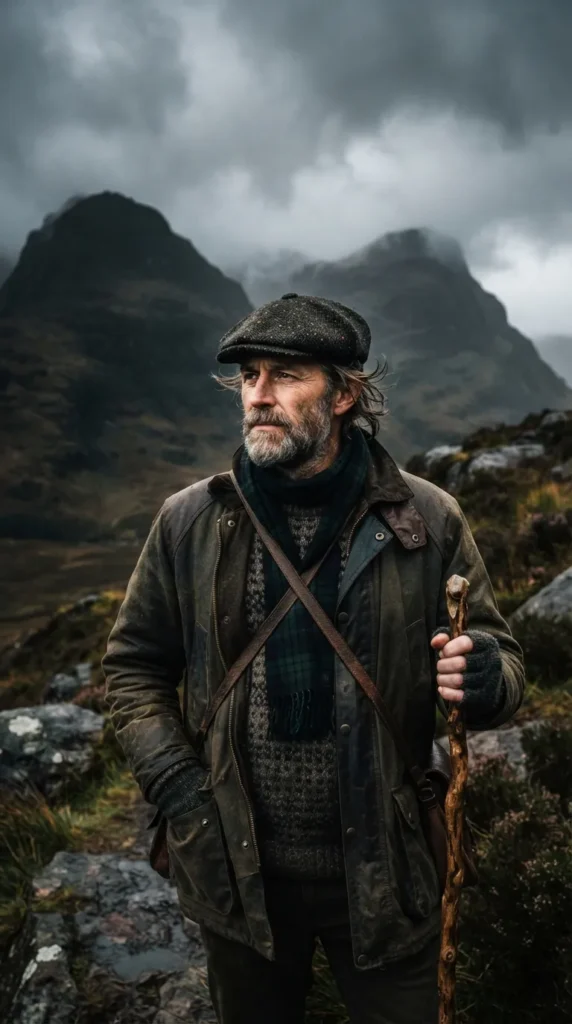
15. The Gradient Ombré Dip-Dye Toque
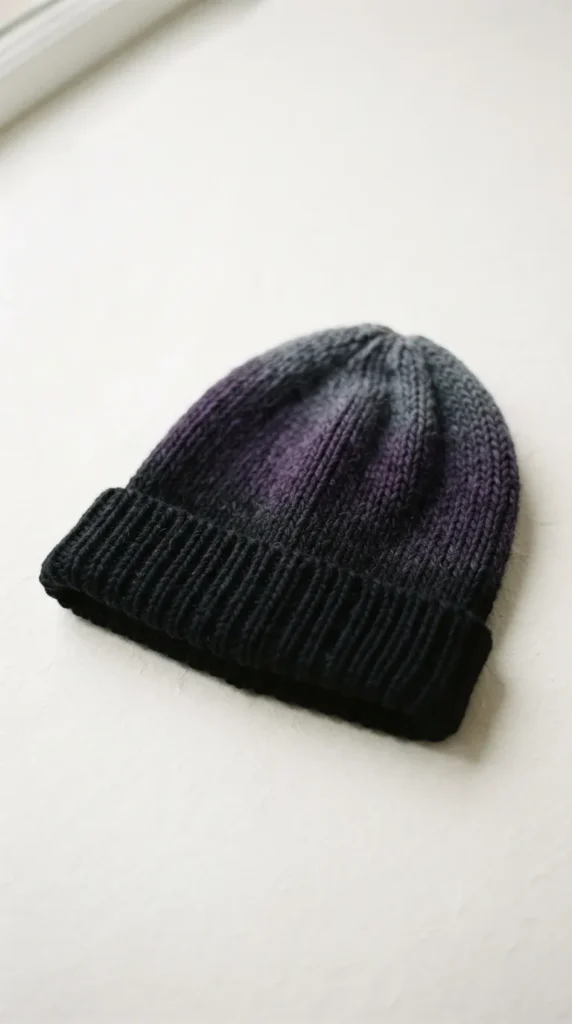
A continuous, seamless color transition from deep dark tones at the brim to light airy hues at the crown.
- What This Idea Means: A dynamic visual statement that blends multiple colorways into one harmonious gradient, echoing winter horizons and sunsets.
- How to Make It: Hold 2 or 3 strands of lace-weight or fingering yarn together. Start with 3 strands of Color A. Replace one strand of Color A with Color B, knit several rounds, then introduce the next strand of Color B to create a smooth, marled gradient transition throughout the hat body.
- Tips & Variations:
- Create transitions like midnight blue fading into morning mist, or charcoal shifting to pale heather rose.
- Use brushed alpaca-silk to make color transitions soft and watercolor-like.
- Keep the stitch pattern simple (smooth stockinette or basic rib) so the gradient transition remains the focus.
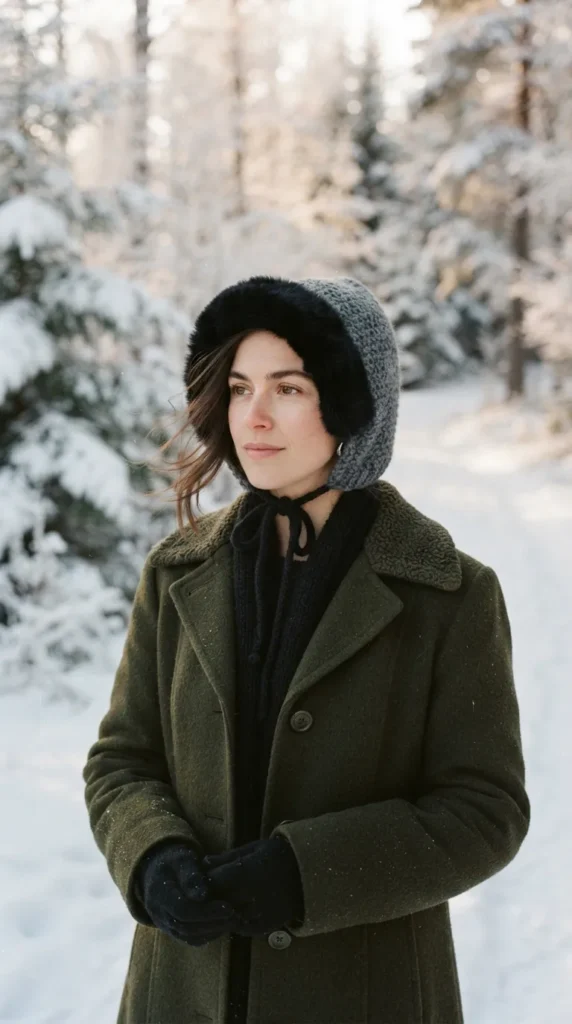
16. The Faux-Fur Trimmed Nordic Bonnet
A snug, vintage-inspired bonnet trimmed with a textured faux-fur knit border that frames the face.
- What This Idea Means: Modern hygge style combining the structure of a classic bonnet with plush, animal-friendly faux-fur yarn accents.
- How to Make It: Cast on the front frame using a fluffy boucle or specialty faux-fur yarn on larger needles. Switch to a smooth worsted wool and smaller needles for the main bonnet body. Knit back in garter or moss stitch, shaping the back of the head with rounded decreases, and finish with integrated i-cord ties.
- Tips & Variations:
- Contrast textures with a matte wool body in oatmeal paired with an ivory faux-fur trim.
- Ensure the neckband is worked in soft merino to avoid irritation along the nape.
- Fasten with neat wooden buttons or hand-twisted cords.
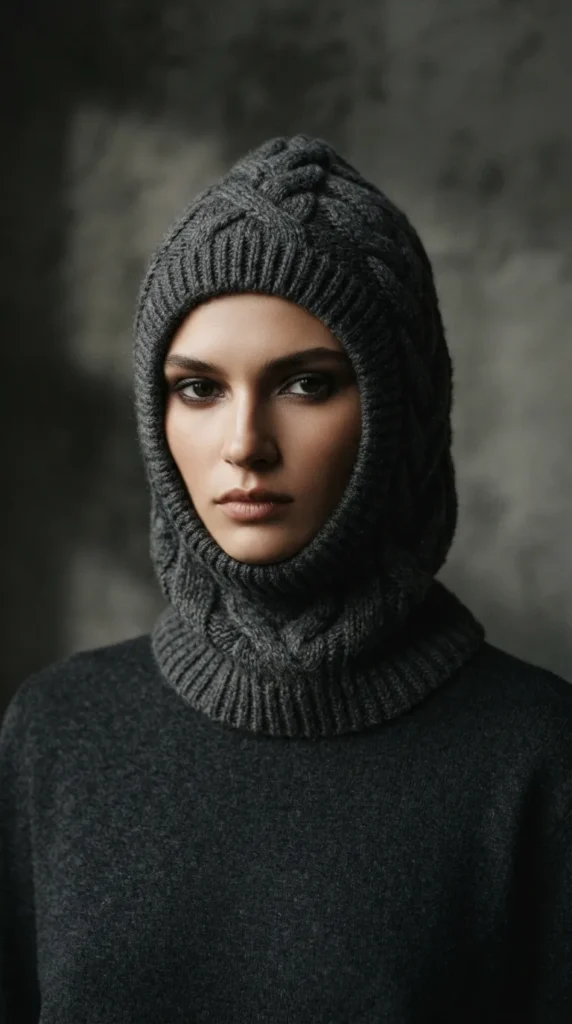
17. The Twisted Cable Balaclava-Hood
A cold-weather essential bridging the gap between a cozy hood, a neck warmer, and a structured beanie.
- What This Idea Means: High-fashion utility that shields the head, neck, and lower chin from winter winds while maintaining a tailored, sculptural look.
- How to Make It: Begin at the neck collar on circular needles, working in $2 \times 2$ ribbing. Split the work to create the face opening, working flat while carrying vertical cable panels along both sides. Rejoin in the round above the forehead, complete the crown shaping, and pick up stitches around the face opening for a clean ribbed edge.
- Tips & Variations:
- Choose a soft merino-cashmere blend for comfortable wear directly against the face and neck.
- Add a hidden drawstring inside the ribbed face opening for an adjustable fit.
- Wear it pulled down around the neck as a cozy collar when indoors.
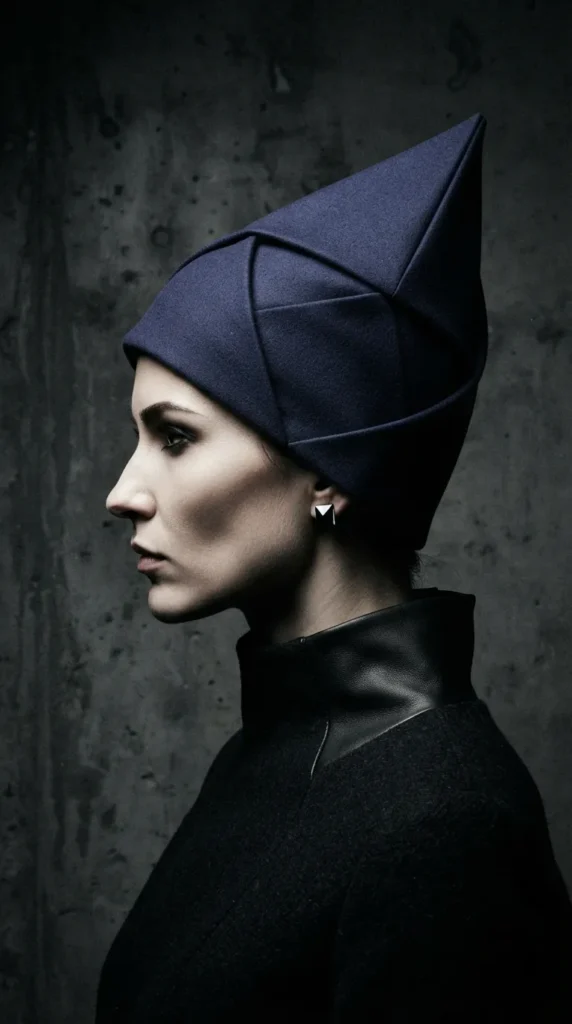
18. The Modern Asymmetric Fold Peak Beanie
An artistic hat featuring an intentional diagonal fold line and origami-style geometry.
- What This Idea Means: A modern, off-center aesthetic that brings contemporary architectural folding and asymmetry to classic knitwear.
- How to Make It: Work short-row wedge shaping across one side of the hat while maintaining straight vertical lines on the opposite side. Use German Short Rows to eliminate holes at turning points. Graft the crown closed using Kitchener stitch along an angled bias line.
- Tips & Variations:
- Best knit in solid, vibrant colors like saffron, cobalt blue, or crisp white to highlight the origami folds.
- Pair with minimalist, tailored winter coats to balance the geometric silhouette.
- Use a dense, non-splitting yarn with high stitch definition.
19. The Tweed Fleck Peak Cap
A modern knitted flat cap or peaked visor beanie that blends classic countryside heritage with everyday city style.
- What This Idea Means: A structured silhouette incorporating a firm brim visor that provides light shade and rain protection, accented by colorful tweed yarn flecks.
- How to Make It: Knit a double-layered visor flap, inserting a custom-cut flexible plastic brim insert before sealing the edge. Pick up stitches around the top of the brim and knit upward into a rounded, tailored cap body using classic moss or honeycomb stitch.
- Tips & Variations:
- Authentic Donegal tweed yarns with flecks of rust, gold, and turquoise add richness to the fabric.
- Block firmly over a tailored mold to establish a crisp brim angle.
- Add a decorative thin leather strap or knitted band across the front brim transition.
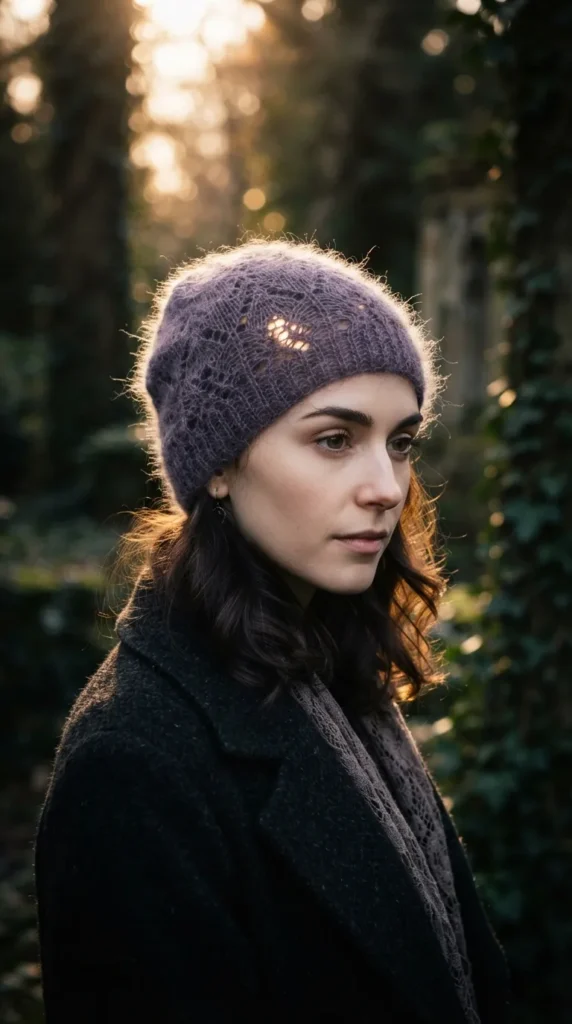
20. The Delicate Eyelet Lace & Mohair Beanie
A romantic design featuring openwork lace patterns worked in fine wool and brushed mohair.
- What This Idea Means: A soft, feminine accessory that balances winter insulation with airy lace motifs like leaves, diamonds, or cascading raindrops.
- How to Make It: Start with a narrow folded rib brim to secure the fit. Transition to a rhythmic lace chart combining yarn-overs ($YO$) with balanced decreases ($SSK$, $K2tog$, $S2KP$). Incorporate the lace pattern naturally into the crown decreases to maintain the motif all the way to the top.
- Tips & Variations:
- Knit in delicate shades: frosted mint, blush quartz, lavender cloud, or antique ivory.
- Hold a strand of fingering merino together with lace-weight mohair for crisp lace definition paired with a soft halo.
- Wet-block using lace wires or a round balloon to open the eyelets evenly.