Spread the love

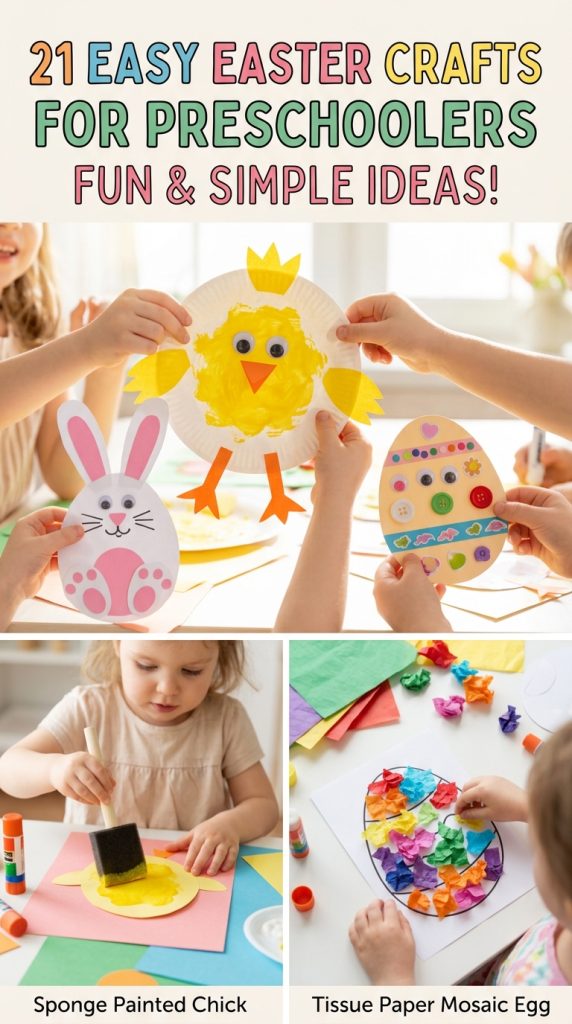
Easter is a magical time for preschoolers. Soft pastel colors, fluffy bunnies, tiny chicks, blooming flowers, and decorated eggs make it the perfect season for creative hands-on fun. Crafting not only keeps little ones engaged, but it also helps develop fine motor skills, creativity, patience, and confidence.

If you’re looking for adorable, easy, and Pinterest-worthy ideas, these 21 Easter crafts for preschoolers are simple to set up and absolutely delightful to display. Each idea is colorful, playful, and designed to make little creators feel proud of their masterpieces.

Let’s hop right in!


1. Paper Plate Easter Bunny

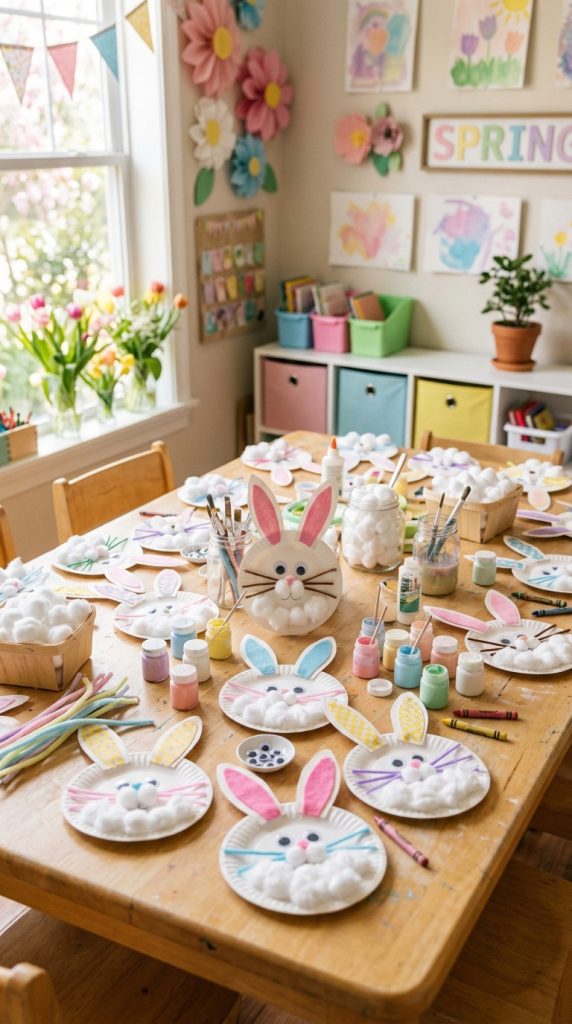
This classic craft never gets old. With just a paper plate, cotton balls, construction paper, and glue, preschoolers can create the cutest bunny faces.

Start by letting children paint the plate white or light pastel. Once dry, they can glue cotton balls all over to make fluffy fur. Add paper ears, wiggly eyes, a pink pom-pom nose, and draw whiskers with a marker.

What makes this craft extra special is how every bunny turns out unique. Some might have big ears, some tiny noses, and some very silly smiles!

Why it’s perfect for preschoolers:
It strengthens hand coordination through gluing and placing small items while allowing lots of creative freedom.

2. Fingerprint Easter Eggs

Preschoolers love using their hands in art, and this craft makes that the highlight.

See also  20 Easter Toddler Arts And Crafts

Cut large egg shapes from cardstock. Provide washable paints in pastel shades. Children dip their fingers into paint and press colorful fingerprints all over the egg. Once dry, you can add details like dots, stripes, or glitter outlines.

Each egg becomes a tiny abstract masterpiece.

Bonus tip: Turn them into a classroom display wall titled “Our Little Egg Artists.”


3. Popsicle Stick Easter Chick

This bright yellow chick is simple and adorable.

Glue three or four popsicle sticks together to form a square base. Let kids paint it yellow. Once dry, attach googly eyes, an orange triangle beak, and small paper wings. Add tiny paper feet at the bottom.

Some children might even want to add feathers for extra fluffiness!

Why kids love it:
It feels like building something from scratch, which boosts their sense of accomplishment.


4. Easter Bunny Handprint Art

Handprint crafts are keepsakes parents treasure forever.

Paint a child’s palm and fingers white. Press it onto pastel cardstock. Once dry, transform the thumb into the bunny’s face and the fingers into ears. Add eyes, a nose, whiskers, and maybe a bow tie.

Write the year and child’s name underneath — it becomes a memory piece.

Preschool benefit:
Sensory play combined with creativity makes this both fun and developmentally enriching.


5. Cotton Ball Lamb Craft

Soft, fluffy, and irresistibly cute.

Draw or print a simple lamb outline. Preschoolers glue cotton balls inside the body shape to create wool. Add a black paper face, legs, and googly eyes.

You can even create a spring meadow background with green paper grass and small flowers.

See also  20 Easter Wooden Decor 3 Crosses Ideas

This craft teaches patience while filling in spaces carefully.


6. Easter Egg Collage Art

This is a fantastic scrap-using project.

Cut large egg shapes and provide tissue paper, wrapping paper scraps, glitter paper, and stickers. Kids tear and glue pieces to decorate their eggs.

The tearing motion helps strengthen small hand muscles — essential for future writing skills.

Every egg looks artistic and textured, making it Pinterest-perfect for photos.


7. Bunny Ear Headbands

Interactive crafts are always a hit.

Using white cardstock strips, measure around each child’s head to create a band. Attach two tall bunny ears with pink inner ear shapes. Let children decorate with stickers, glitter, or markers.

Once finished, they can wear them during an Easter party or egg hunt.

Why it’s amazing:
It combines crafting with pretend play — double the fun!


8. Carrot Shape Paper Craft

Bright orange paper carrots are simple yet charming.

Cut large carrot shapes and let preschoolers glue green paper strips at the top for leaves. They can decorate the carrot body with lines, glitter, or even small fingerprints.

You can hang them as garlands in the classroom or at home.

This craft introduces shape recognition and color coordination.


9. Easter Basket Coloring and Weaving Craft

Create a paper basket template and cut slits across the base. Provide colorful paper strips for children to weave in and out.

Preschoolers may need a little guidance, but they love seeing the checkerboard pattern appear. Add a handle and fill the basket drawing with paper eggs or stickers.

See also  22 Easter Decor Retail Ideas

This activity improves concentration and problem-solving skills.


10. Sponge Painted Spring Flowers

Spring and Easter go hand in hand.

Cut sponges into flower shapes or simple circles. Dip them in paint and stamp onto paper to create blooming gardens. Add green stems and leaves with brushes or markers.

Children can experiment with color blending, making each garden bright and cheerful.

Display them together to create a giant spring mural.


Why Easter Crafts Are So Important for Preschoolers

Easter crafts are more than just cute decorations. They help preschoolers:

  • Develop fine motor skills
  • Improve hand-eye coordination
  • Learn colors and shapes
  • Build creativity and imagination
  • Practice patience and focus
  • Gain confidence through completed projects

Most importantly, crafting creates joyful memories. The giggles during paint spills, the pride in finished artwork, and the excitement of showing parents their creations — these moments matter.


Tips for a Stress-Free Craft Session

  • Always use washable paints and glue.
  • Prepare materials in advance.
  • Accept the mess — it’s part of the magic.
  • Focus on fun, not perfection.
  • Praise effort, not just results.

Preschool crafts should feel playful, not pressured.


Easter crafting with preschoolers is about bright colors, little hands, and big smiles. Whether at home, in daycare, or in the classroom, these simple ideas turn ordinary supplies into unforgettable creations.

And the best part? You don’t need expensive materials — just imagination, a little planning, and lots of encouragement.

More ideas to come.