Spread the love

A well-organized closet is more than just a storage space—it’s a daily luxury that brings calm, efficiency, and style into your life. Whether you live in a compact apartment or a spacious home, a thoughtfully organized closet can completely transform how you start and end your day. Instead of digging through cluttered shelves and tangled hangers, you open your closet to a space that feels intentional, clean, and visually pleasing.

Closet organization is not about having a massive walk-in wardrobe or expensive custom cabinetry. It’s about using smart ideas, practical solutions, and a touch of creativity to make the most of the space you already have. From maximizing vertical storage to creating zones for daily essentials, the right organization ideas can make any closet functional and beautiful at the same time.

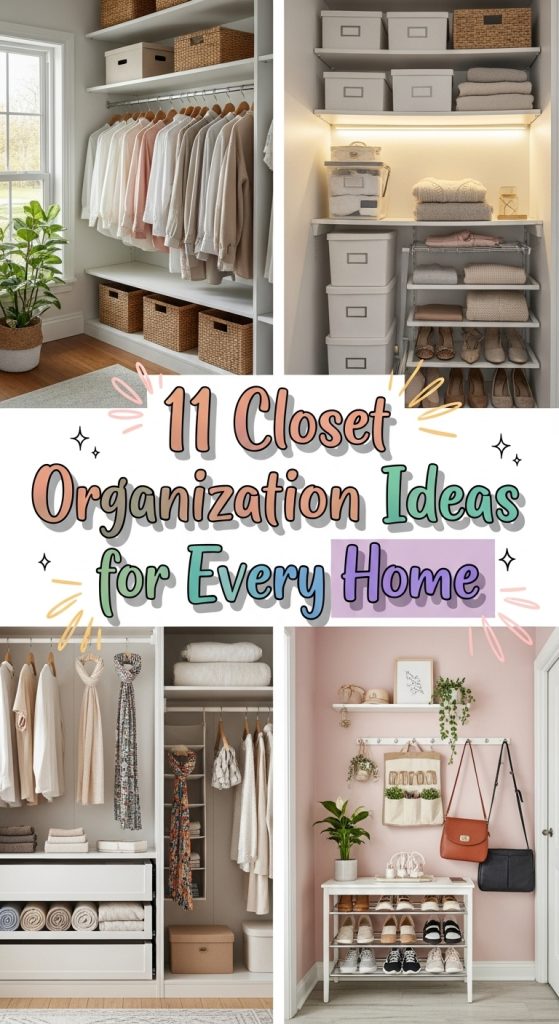
In this article, we’ll explore ten wonderful closet organization ideas that work for every home. These ideas are realistic, adaptable, and designed to fit different lifestyles, budgets, and room sizes. Each idea focuses on blending function with aesthetics, making your closet not only easier to use but also visually inspiring—perfect for a Pinterest-worthy home.


1. Zone-Based Closet Layout for Everyday Ease

One of the most effective ways to organize any closet is by dividing it into clear zones. Instead of treating your closet as one large storage box, zoning gives every item a dedicated place. This approach instantly reduces clutter and makes it easier to maintain order over time.

Start by grouping clothing by category: everyday wear, work outfits, seasonal items, and special occasion pieces. Assign each group its own section. For example, hang daily outfits at eye level for quick access, while storing seasonal or rarely used items on higher shelves. Shoes can have a lower zone, while accessories such as belts and scarves fit perfectly into side sections.

Zone-based organization works especially well for shared closets. When each person has their own clearly defined area, there’s less confusion and overlap. The closet feels calmer and more intentional, which makes getting dressed a smoother experience every day.

2. Vertical Storage That Uses Every Inch

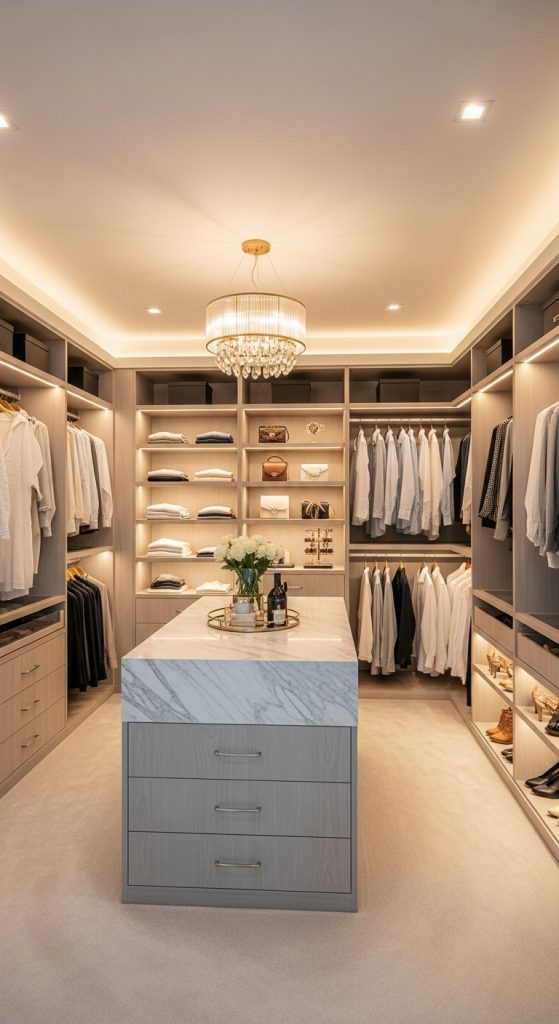
Vertical space is often the most underused part of a closet. Many closets have empty walls or high shelves that aren’t fully utilized. By focusing on vertical storage, you can dramatically increase capacity without making the space feel crowded.

See also  12 Pottery Art Painting Ideas

Installing extra shelves above hanging rods allows you to store folded clothes, bags, or decorative storage boxes. Tall shoe racks, stacked cubbies, or slim shelving units can extend from floor to ceiling, keeping items visible and accessible. Even narrow vertical spaces can be used for hanging organizers or hooks.

The key to vertical storage is balance. Use closed baskets or matching bins on higher shelves to keep the look clean, while lower shelves can display neatly folded items. This combination keeps the closet functional while still maintaining a visually appealing, Pinterest-style aesthetic.


3. Matching Storage Bins for a Clean Look

Nothing elevates a closet faster than matching storage containers. Uniform bins, baskets, or boxes instantly create a sense of order, even if the contents inside vary. This simple idea is both practical and visually powerful.

Choose bins in neutral tones like white, beige, soft gray, or natural woven textures. These colors blend seamlessly into most interiors and make the closet feel calm and cohesive. Clear bins can also work well if you prefer to see what’s inside without opening everything.

Labeling each bin adds another layer of organization. It helps everyone in the household know where items belong, making it easier to keep the closet tidy long-term. From accessories and seasonal clothing to spare linens, matching bins make storage feel intentional rather than cluttered.


4. Double Hanging Rods for Small Closets

If your closet has limited floor space, double hanging rods can be a game-changer. This idea effectively doubles your hanging capacity without expanding the closet itself. It’s especially useful for wardrobes with lots of shirts, blouses, skirts, or shorter garments.

Install one rod at standard height and another below it. Use the upper rod for tops and jackets, and the lower rod for pants or skirts. This creates a clean, layered look that’s easy to maintain. For children’s closets, double rods are particularly practical because their clothing is shorter.

To keep the space visually balanced, use slim, matching hangers. This reduces bulk and gives the closet a streamlined, professional appearance. Double hanging rods prove that even the smallest closets can be highly functional with the right design choices.

See also  11 Terracotta Pot Painting Ideas for Indoors and Outdoors

5. Open Shelving for Folded Clothing

Open shelving brings a boutique-style feel to any closet. Instead of hiding everything behind doors, open shelves allow you to see your clothing at a glance, making outfit planning quicker and more enjoyable.

Fold sweaters, jeans, and casual wear neatly and stack them by color or category. This creates a visually pleasing arrangement that feels curated rather than cluttered. Open shelving also encourages better habits—when everything is visible, you’re more likely to keep it tidy.

To avoid a messy look, keep stacks short and consistent. Mixing in decorative storage boxes or baskets can break up the shelves visually while adding extra storage for smaller items. Open shelving turns everyday clothing into part of the room’s design.


6. Dedicated Shoe Organization Zones

Shoes often become the most chaotic part of a closet. Without proper storage, they pile up on the floor and disrupt the entire space. Creating a dedicated shoe zone instantly brings structure and order.

Depending on your space, this zone can include shoe racks, cubbies, angled shelves, or even clear shoe boxes. Arranging shoes by type or color makes them easier to find and adds a stylish, organized look. Keeping frequently worn shoes at eye level improves daily convenience.

For a more elegant touch, leave a bit of breathing room between pairs. This not only protects your shoes but also makes the closet feel less crowded. A well-organized shoe zone can transform the entire feel of your wardrobe space.


7. Drawer Inserts for Accessories and Small Items

Accessories are often the hardest items to keep organized. Without a system, they tangle, disappear, or get damaged. Drawer inserts offer a simple and effective solution for managing smaller pieces.

Use divided trays for jewelry, watches, sunglasses, belts, and ties. Each item has its own compartment, making it easy to see and access everything at once. This also protects delicate items from scratches or knots.

Drawer inserts work well in both walk-in and reach-in closets. Choose materials that match your overall closet aesthetic, such as wood, acrylic, or fabric-lined trays. These small details add a sense of luxury and control to your storage.


8. Seasonal Rotation System

One of the easiest ways to keep a closet organized year-round is by rotating clothing seasonally. Instead of overcrowding your closet with items you won’t wear for months, store off-season pieces elsewhere.

See also  10 DIY Crochet Daisy Granny Ideas

Use high shelves, storage boxes, or under-bed containers for seasonal clothing. When the weather changes, simply swap items in and out. This keeps your closet focused on what you actually wear daily, making it feel lighter and more manageable.

Seasonal rotation also helps you reassess your wardrobe regularly. As you switch items, you can decide what to keep, donate, or replace. This habit keeps clutter from building up and ensures your closet stays functional over time.


9. Lighting That Enhances Visibility and Style

Good lighting is often overlooked in closets, but it makes a huge difference. Proper lighting improves visibility and adds a polished, high-end feel to the space.

LED strip lights, puck lights, or soft overhead fixtures can brighten dark corners and shelves. Warm lighting creates a cozy atmosphere, while neutral white light offers better color accuracy for clothing. Motion-sensor lights are especially convenient and energy-efficient.

Lighting doesn’t just help you see better—it elevates the entire closet experience. A well-lit closet feels intentional, welcoming, and beautifully designed, even if the space itself is small.


10. Personalized Touches That Make It Yours

The final step in any closet organization project is personalization. A closet should reflect your lifestyle and taste, not just store your belongings. Adding personal touches makes the space feel complete and enjoyable to use.

This can include framed art, a small mirror, decorative trays, or even a scented sachet. Choosing hangers, bins, and finishes that match your home’s overall style creates visual harmony. These details turn a functional space into one you genuinely love.

Personalization also helps maintain organization. When your closet feels beautiful and intentional, you’re more likely to keep it tidy. The result is a space that supports your daily routine while reflecting your personality.


Final Thoughts

Closet organization is not a one-size-fits-all solution. The best systems are those that adapt to your space, habits, and needs. By combining smart layouts, thoughtful storage solutions, and aesthetic details, you can create a closet that works effortlessly for your life.

These ten wonderful closet organization ideas prove that every home—big or small—can have a functional and stylish closet. With a little planning and creativity, your closet can become one of the most satisfying spaces in your home.